The 7-Point Outfit Theory: How I’m Remembering How to Get Dressed Again
For as long as I can remember, I’ve taken pride in getting dressed.
From the clothes themselves to the shoes and jewelry, tracking the latest trends, and walking the “runway” of school hallways, fashion has always been a creative outlet for me. I’ve always loved details. I loved putting together the right outfit for the right moment—prom, date nights, professional meetings, casual weekends, dinners out, travel days, even errands. Dressing well was never about labels or trends for the sake of them; it was about intention.

And then… COVID happened.
Work from home became the norm. Comfort became king. My body changed. My routines changed. Somewhere between leggings, oversized sweatshirts, and weeks on end that never required real shoes, I slowly forgot how to get dressed on purpose.
Over time, standing in my closet began to feel overwhelming—just another task on an already too-long to-do list.
At the end of this past year, I came across the concept of the 7-Point Outfit Theory. I’d never heard of it before, which was surprising considering it had apparently been a major recent TikTok trend. But as I started digging into it, this simple styling framework began to feel oddly familiar. Like a modern rebrand of the quiet styling principles my mom had instilled in me years ago.
I learned how to dress by watching her.
She has always been a phenomenal dresser—not flashy, not trend-driven for the sake of it, but polished, thoughtful, and confident. She understood fit, proportion, and the power of details - and executed them flawlessly. From her, I learned that accessories matter, fit changes everything, simple doesn’t mean boring, and looking put together is a form of self-respect.
The 7-Point Outfit Theory feels like a modern articulation of those same lessons—updated for real life, real bodies, and real schedules. And for me, it’s becoming a way to remember how to dress this version of myself again. I’ve made it a small but meaningful goal for 2026 to start incorporating this framework back into my everyday styling—to get back into the game, thoughtfully and realistically.
What Is the 7-Point Outfit Theory?
It seems there are varying versions of this theory, but at it's core, the 7-Point Outfit Theory is a practical way to build outfits that feel finished, polished, and intentional—without chasing trends or buying an entirely new wardrobe.
The idea is simple: an outfit looks complete when it includes roughly seven visual points of interest. You don’t need to hit exactly seven. Think five to nine. Fewer can feel flat; more can feel overwhelming. The goal isn’t perfection—it’s balance.
What Counts as a “Point”?
This is where the theory becomes especially useful for real life. Here we go.
1. Your Base Outfit (Usually 3 Points)
These are your non-negotiables, and are generally 1 point each:
Top
Bottom
Shoes
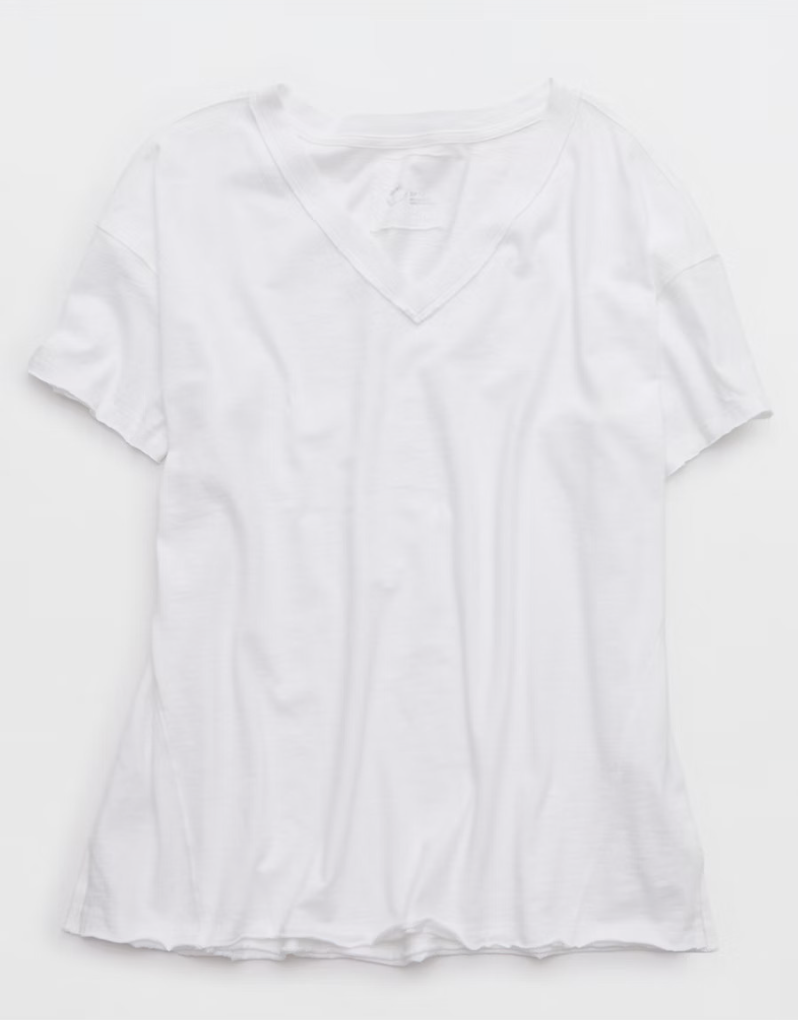
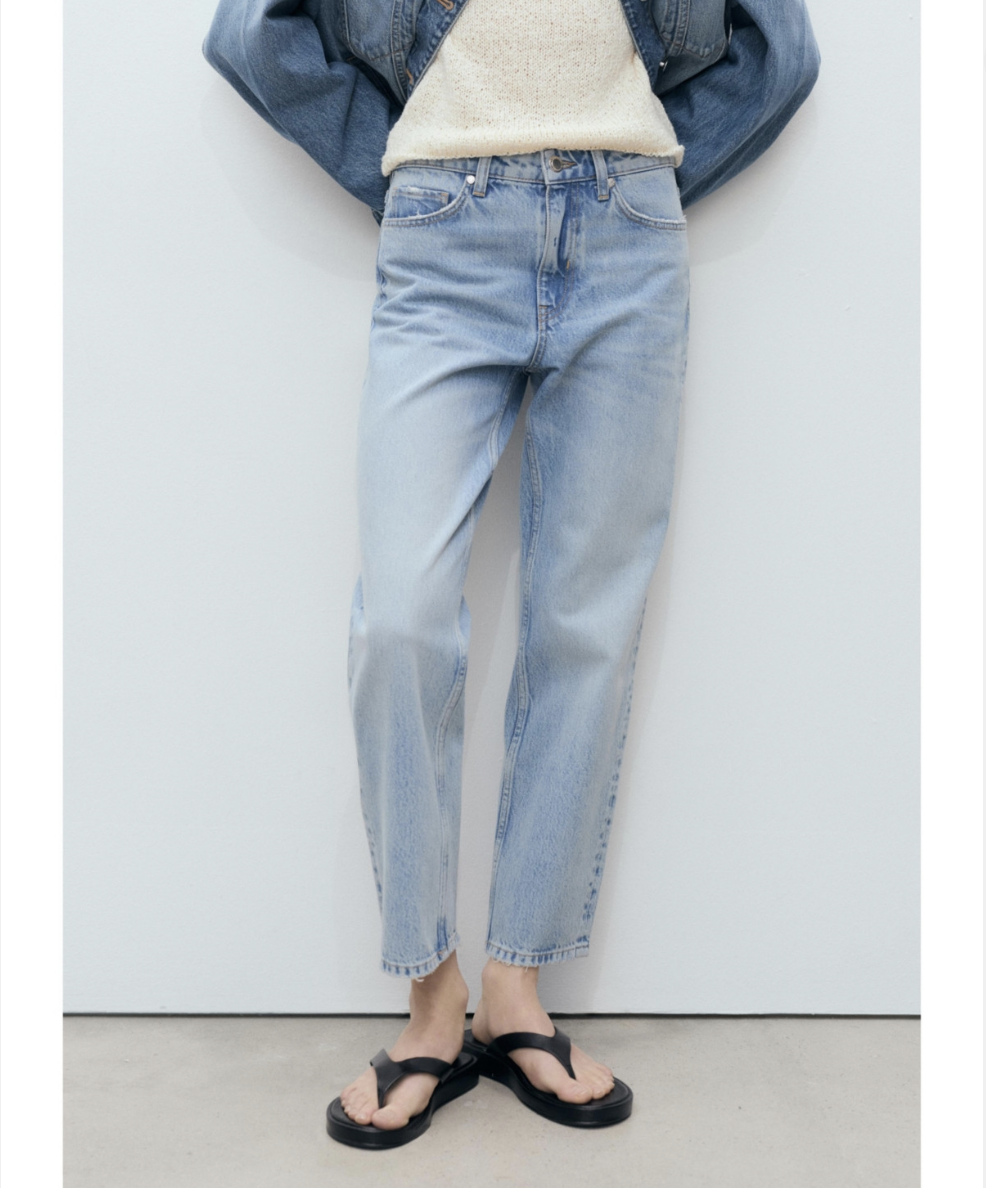
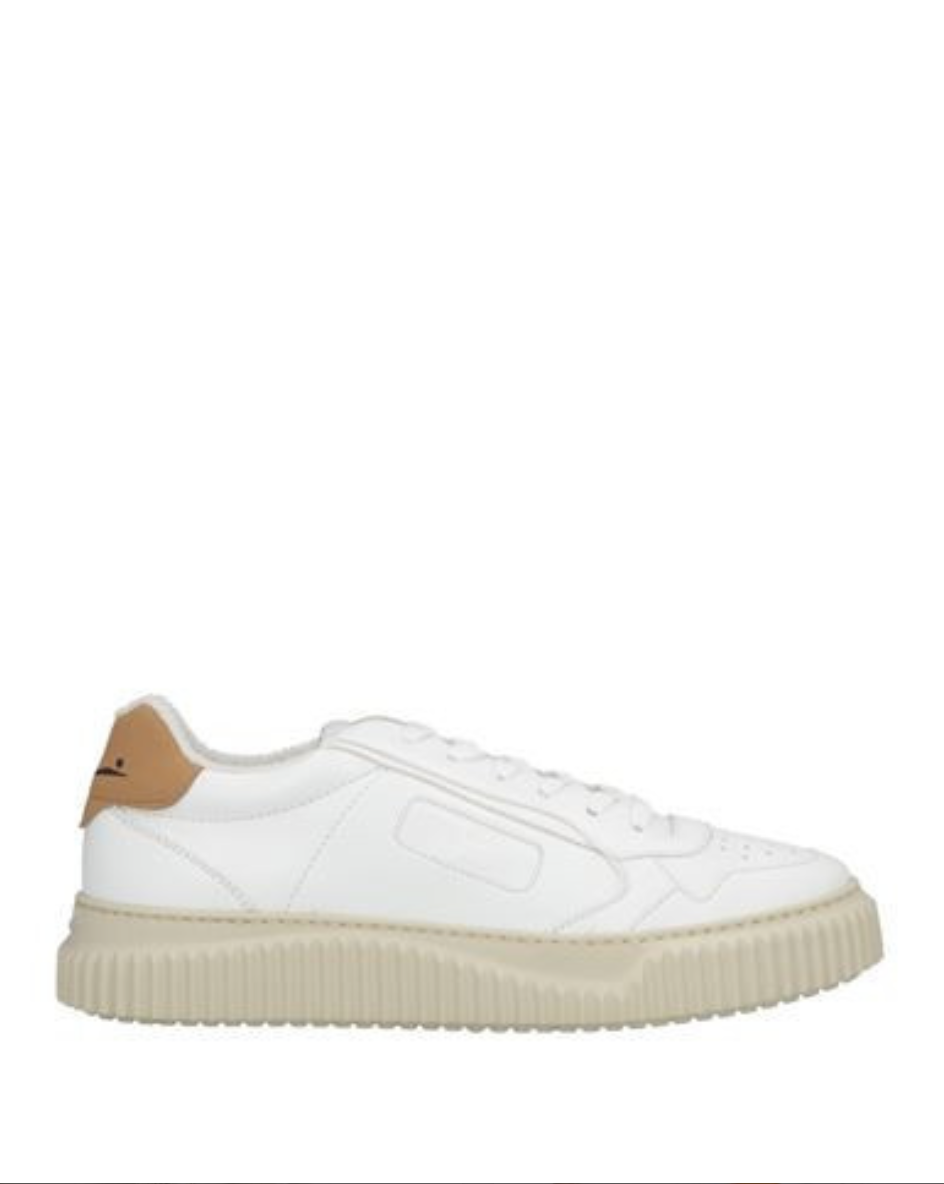
This is where most of us stop—and why outfits often feel “fine,” but unfinished.
2. Layers (1–2 Points)
Layers instantly elevate an outfit:
Blazer
Jacket
Cardigan
Vest
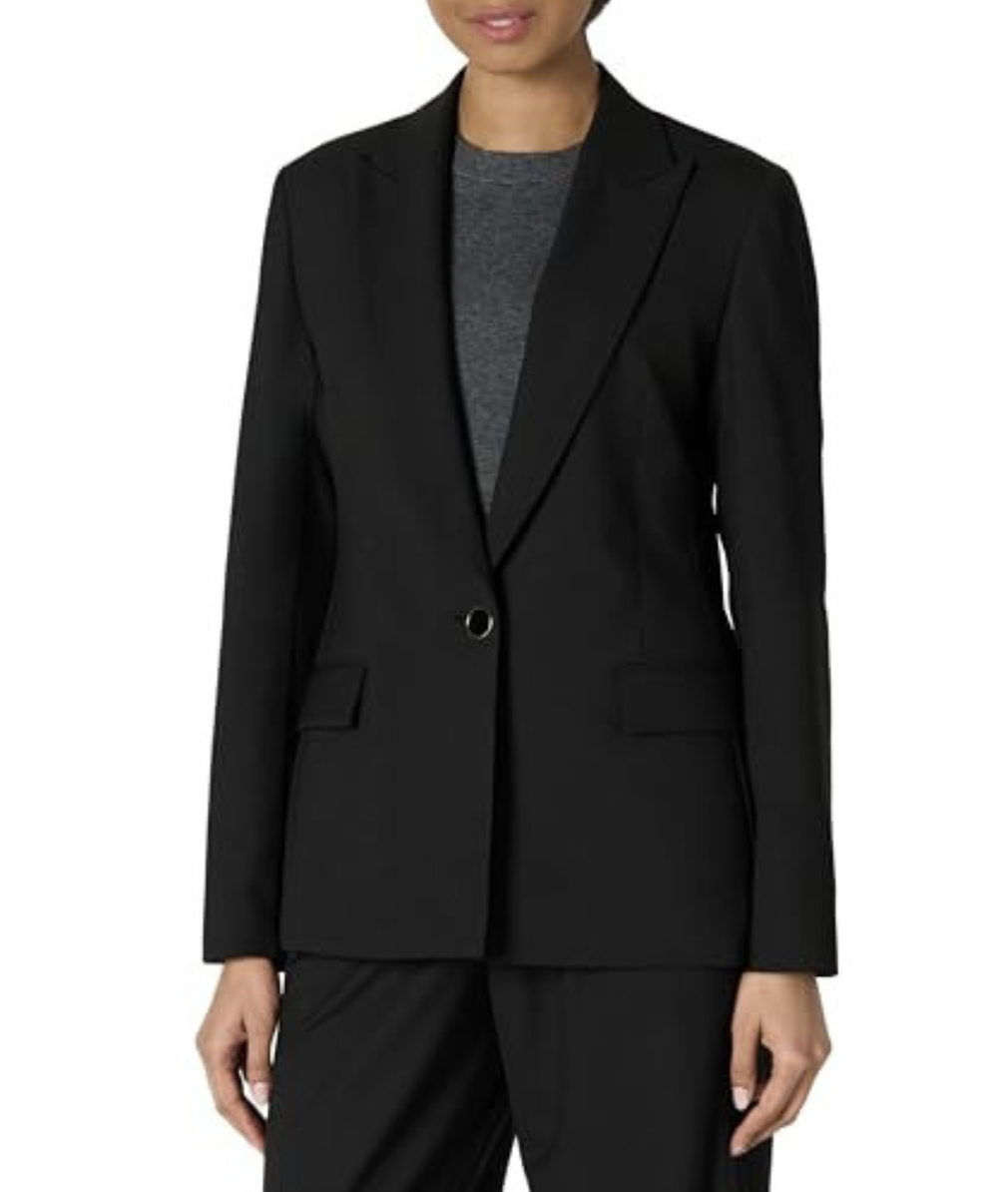
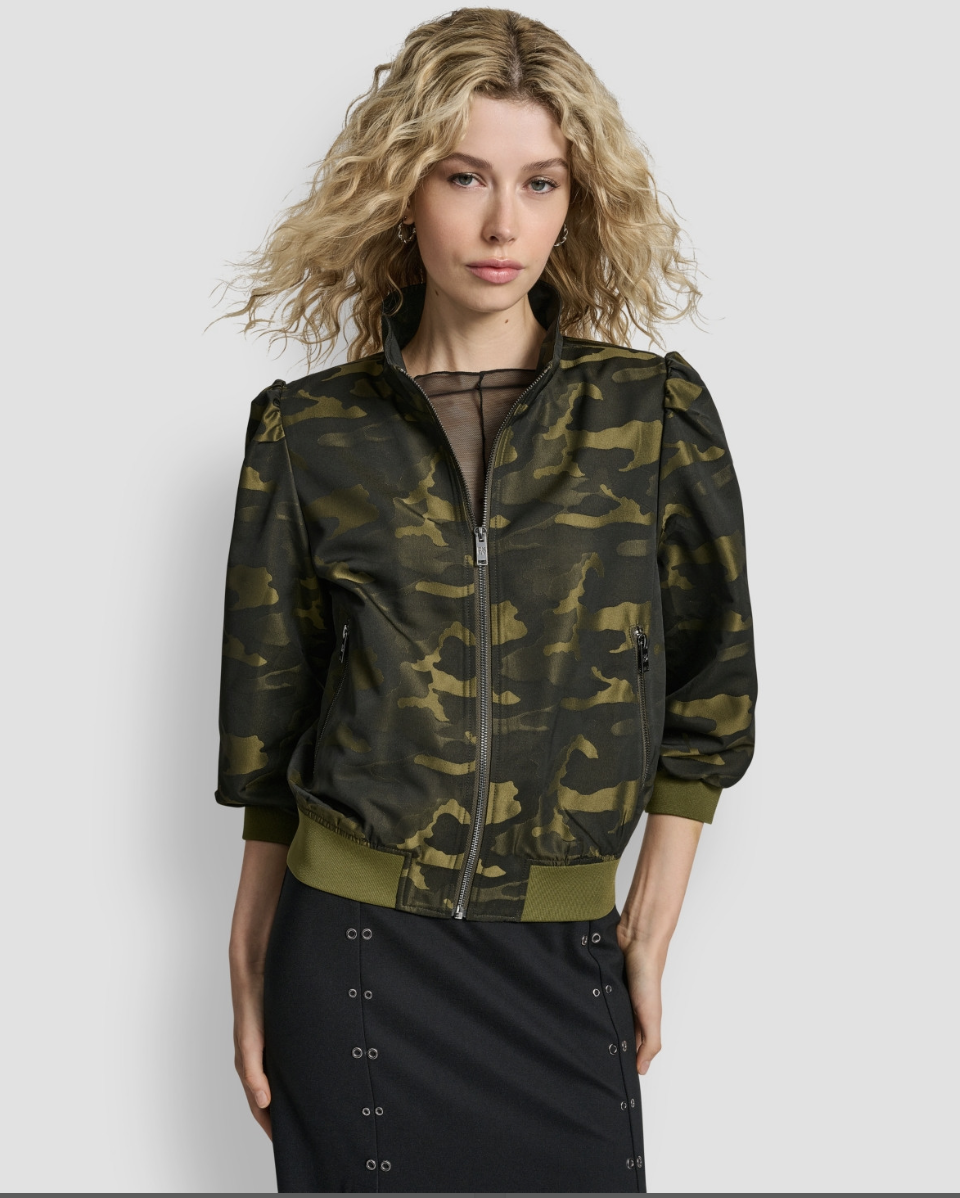
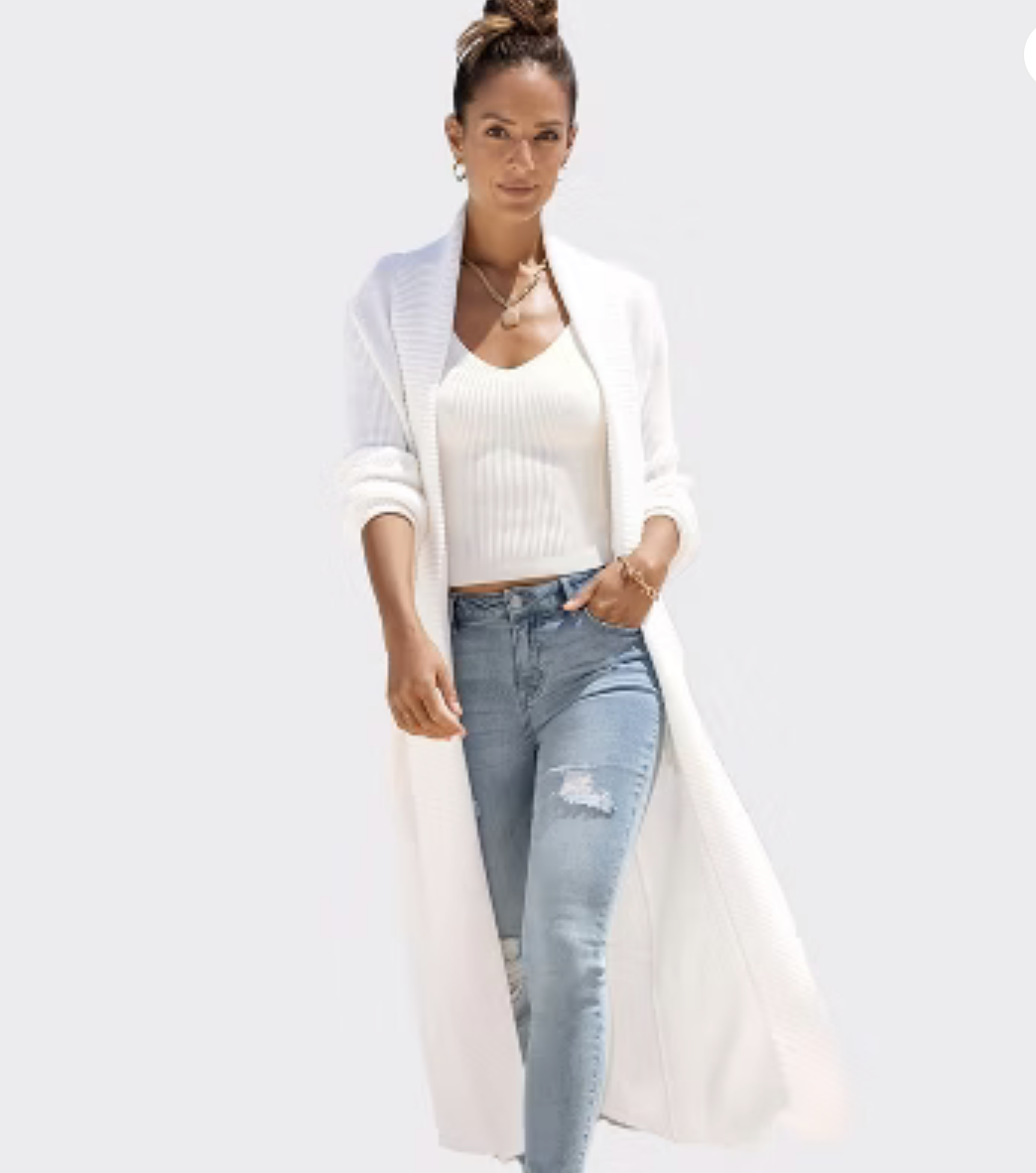
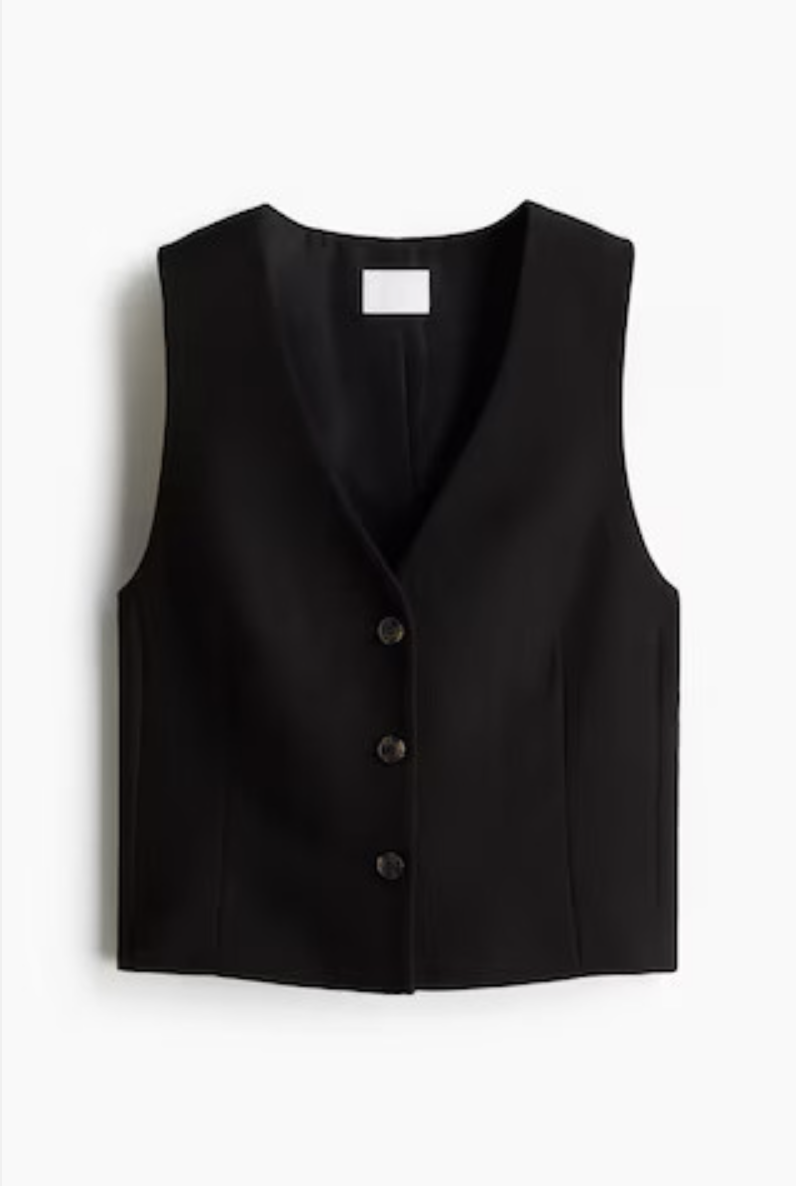
A structured layer does a lot of heavy lifting, especially when your base pieces are simple.
3. Accessories (1 Point Each)
Accessories are where intention really shows up:
Belt
Bag
Jewelry (earrings, necklace, watch)
Sunglasses
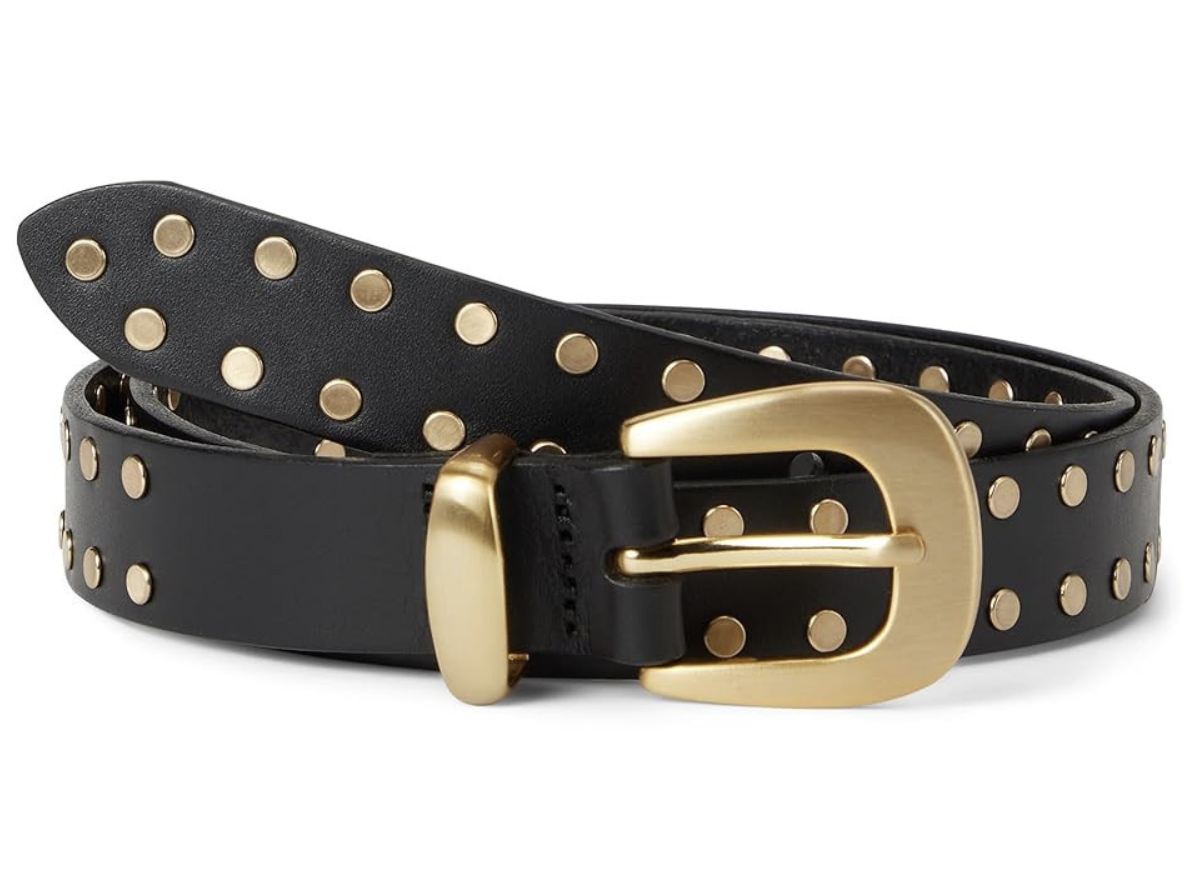
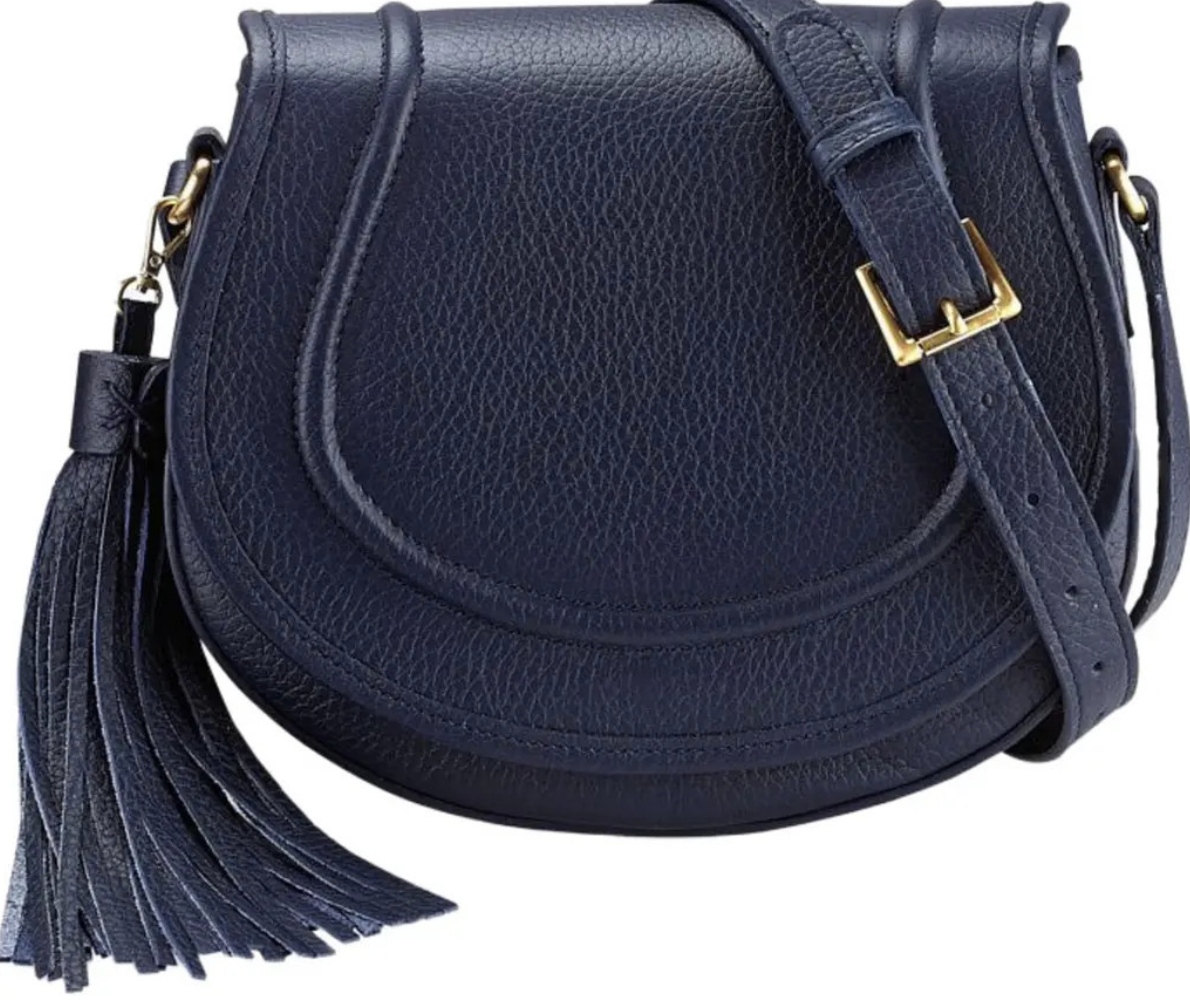
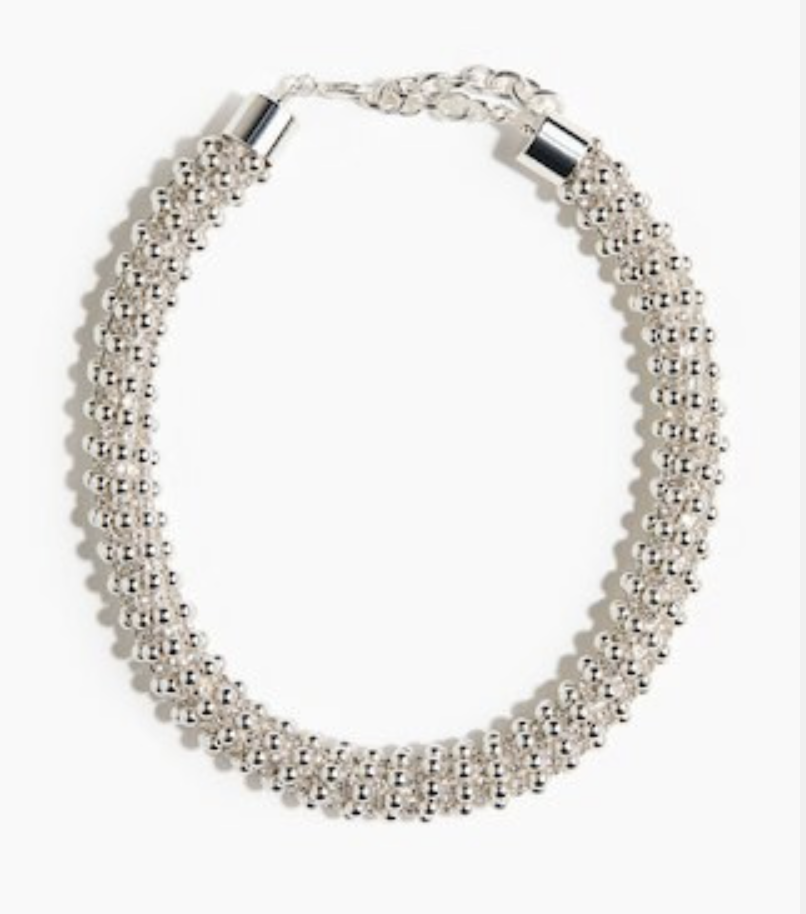
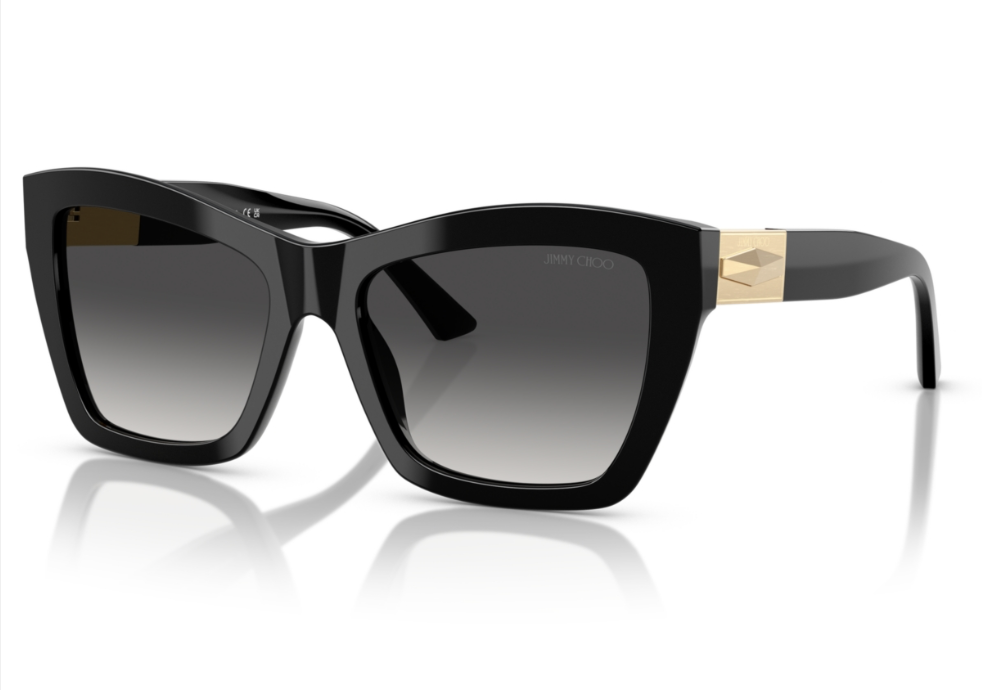
Minimal jewelry can count as one point total. A statement piece may count as two.
4. Texture, Contrast, or Structure (Bonus Points)
Some elements naturally add visual interest:
Leather, suede, denim, linen
Cropped or oversized silhouettes
High-contrast colors
Interesting hardware or tailoring
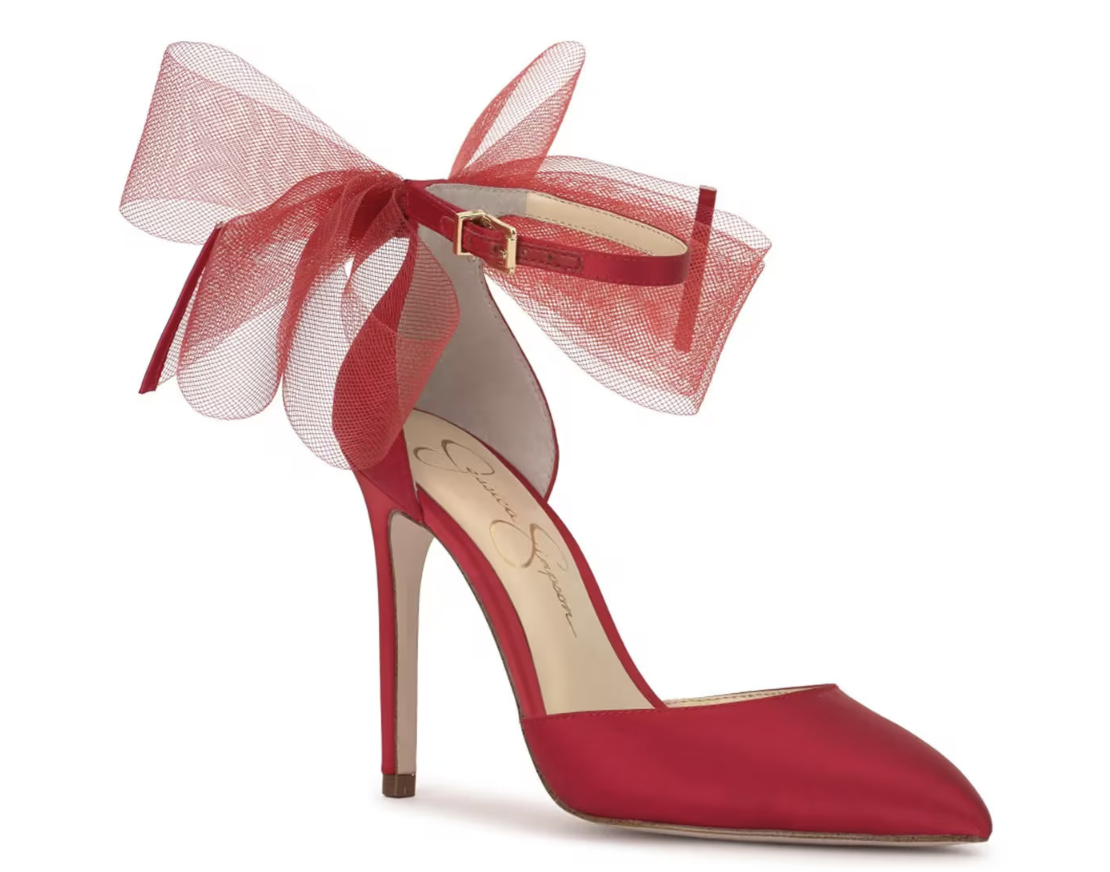
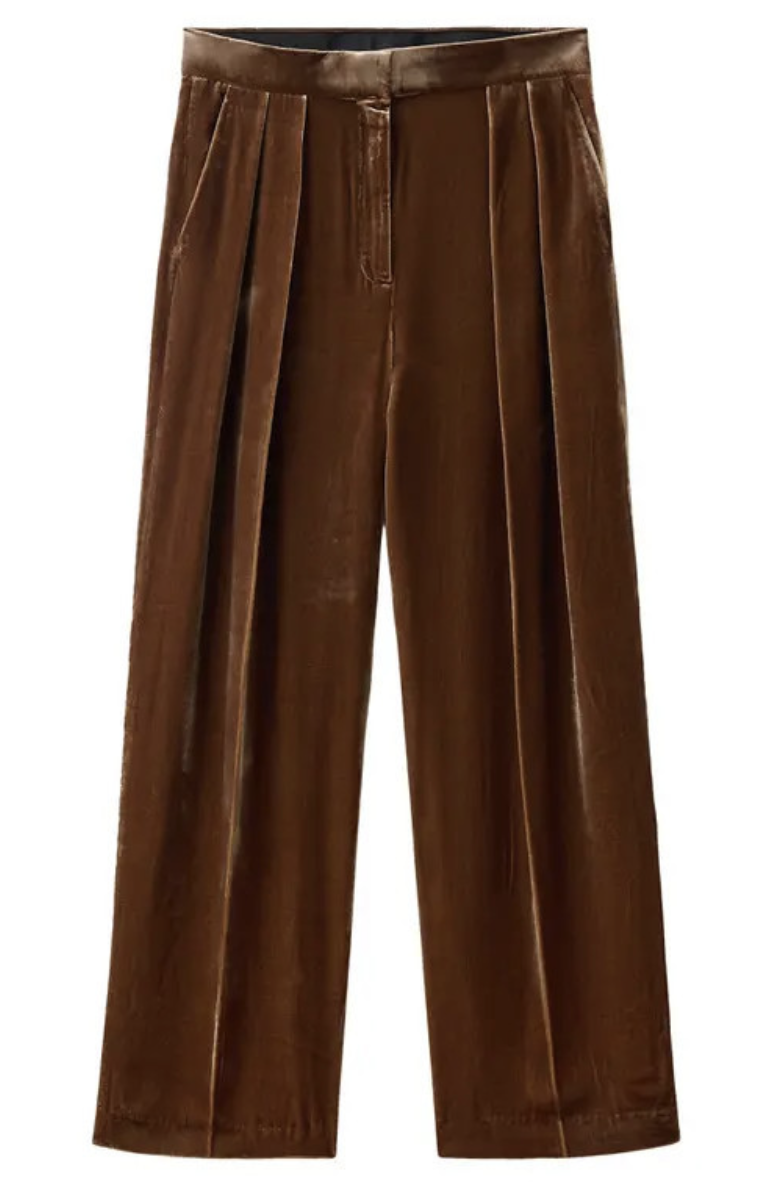
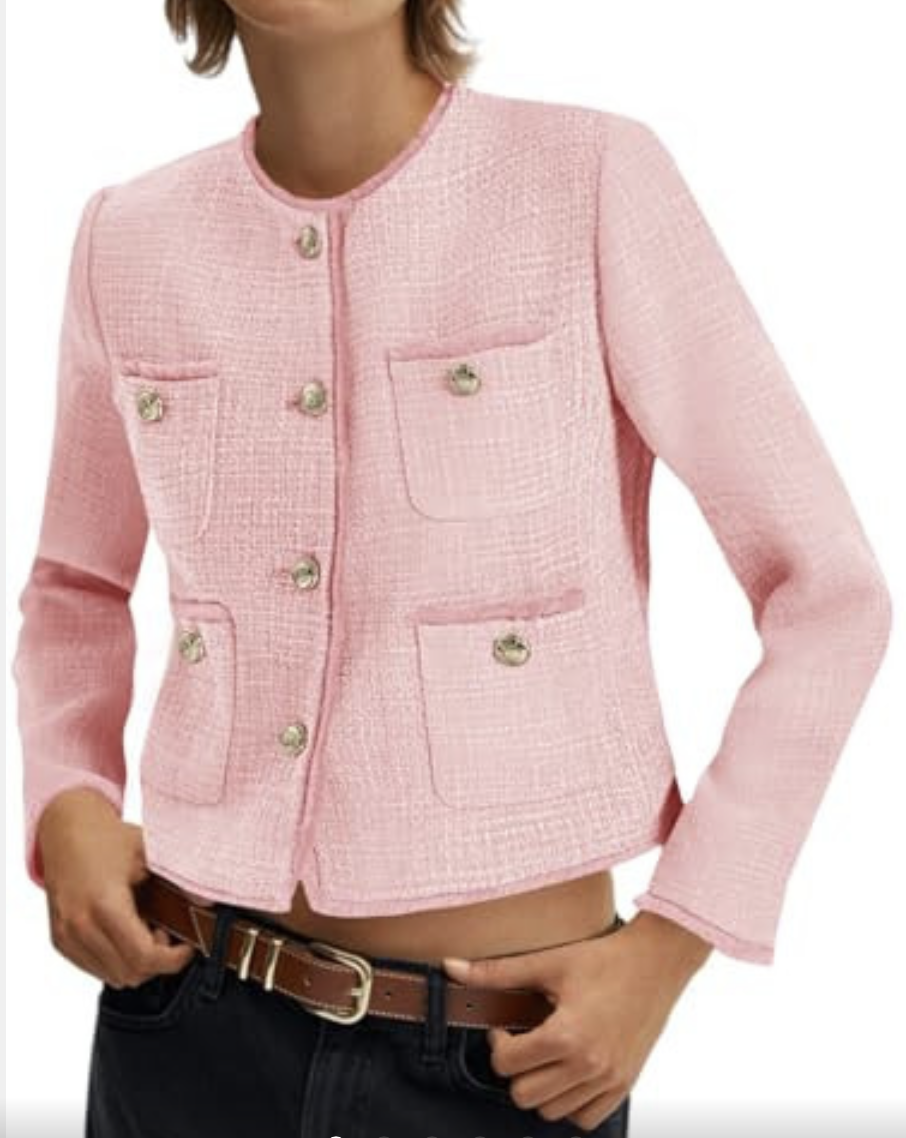
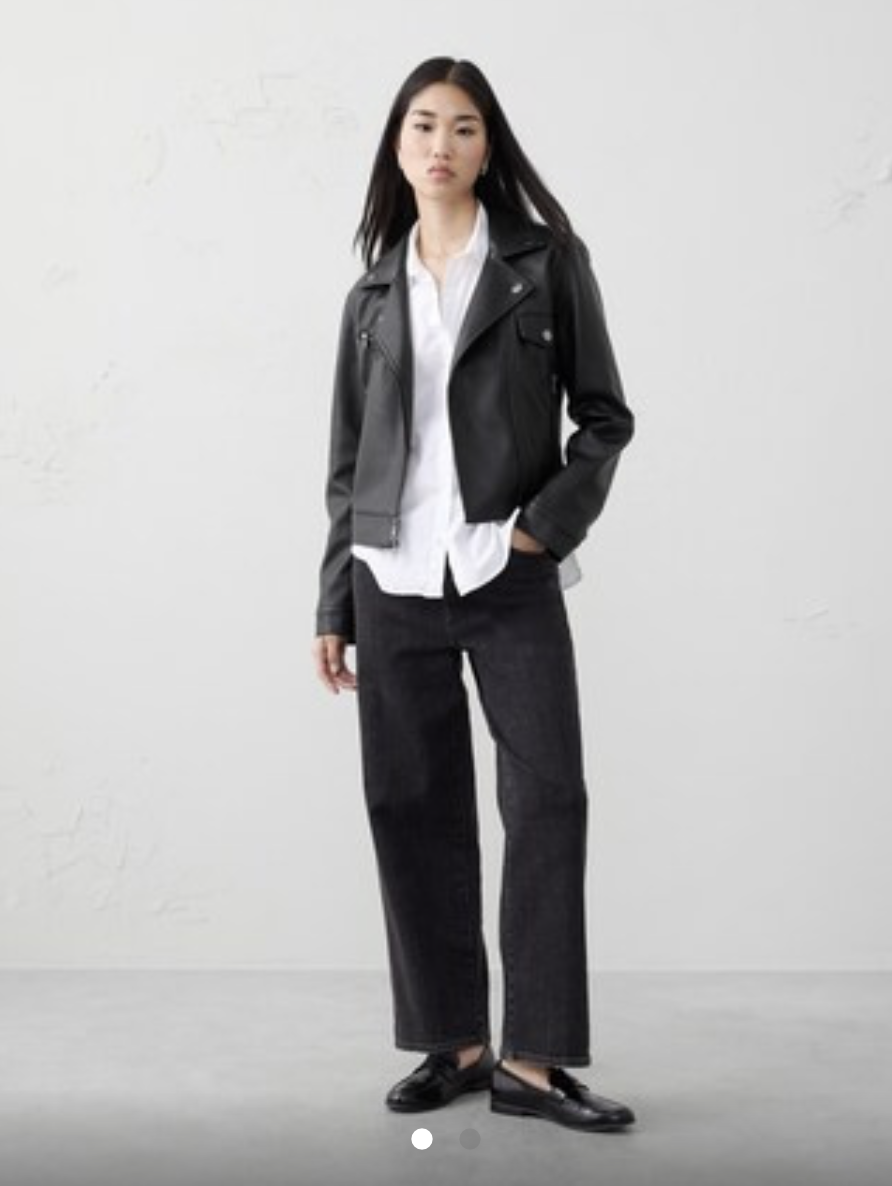
These can “count” even if they’re part of another item.
Why This Hit Home for Me
I didn’t stop caring about style. I stopped practicing it.
Work from home blurred the lines between days. Weight gain made old formulas unreliable. The breakneck pace of raising teenagers as a single mom left little room for keeping up with trends. Suddenly, the muscle memory I once had for getting dressed—something that used to come effortlessly—felt rusty.
What I love about the 7-Point Theory is that it meets you exactly where you are.
You don’t have to:
Dress for a body you used to have
Shop every trend cycle
Overhaul your entire closet
It simply gives you a framework to work with what you already own—and build from there.
A Real-Life Example (Before & After)
Before (3 Points):
Black bodysuit = 1
Straight-leg jeans = 1
White sneakers = 1
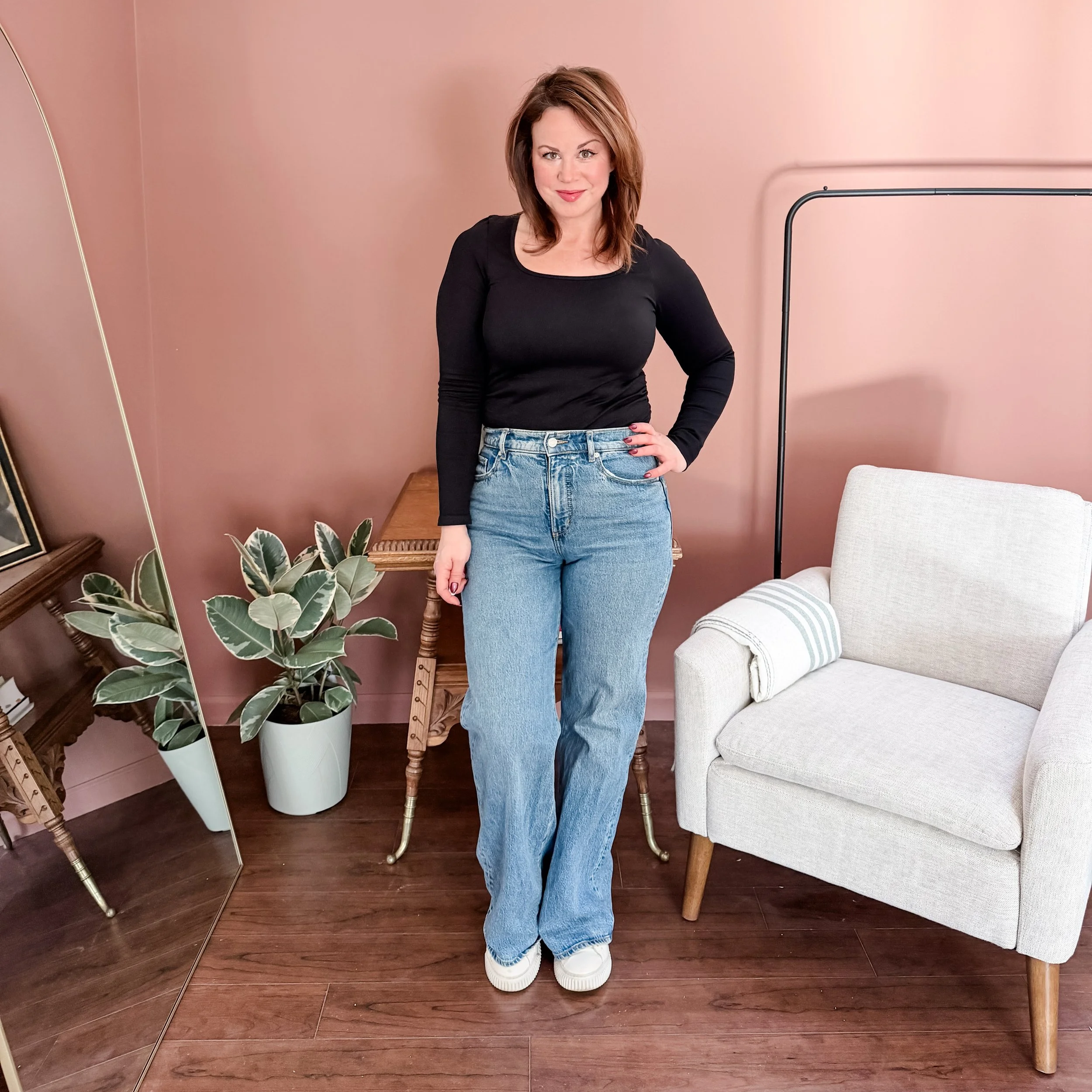
Perfectly fine. But also… boring.
After:
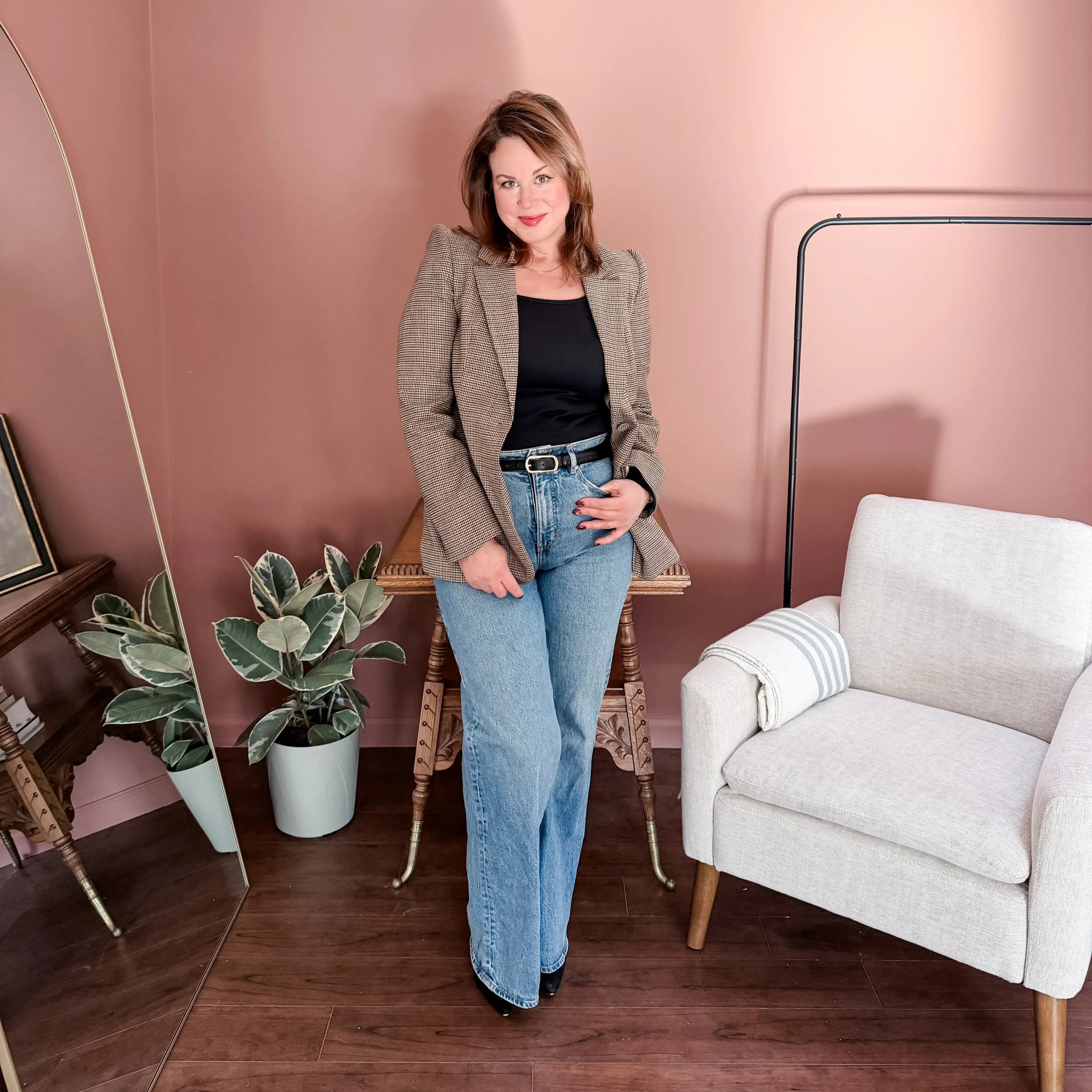
7 Point Revision:
Black bodysuit = 1
Straight-leg jeans = 1
Black suede boots = 1.5
Leather belt = 1
Blazer = 1.5
Minimal gold jewelry = 1
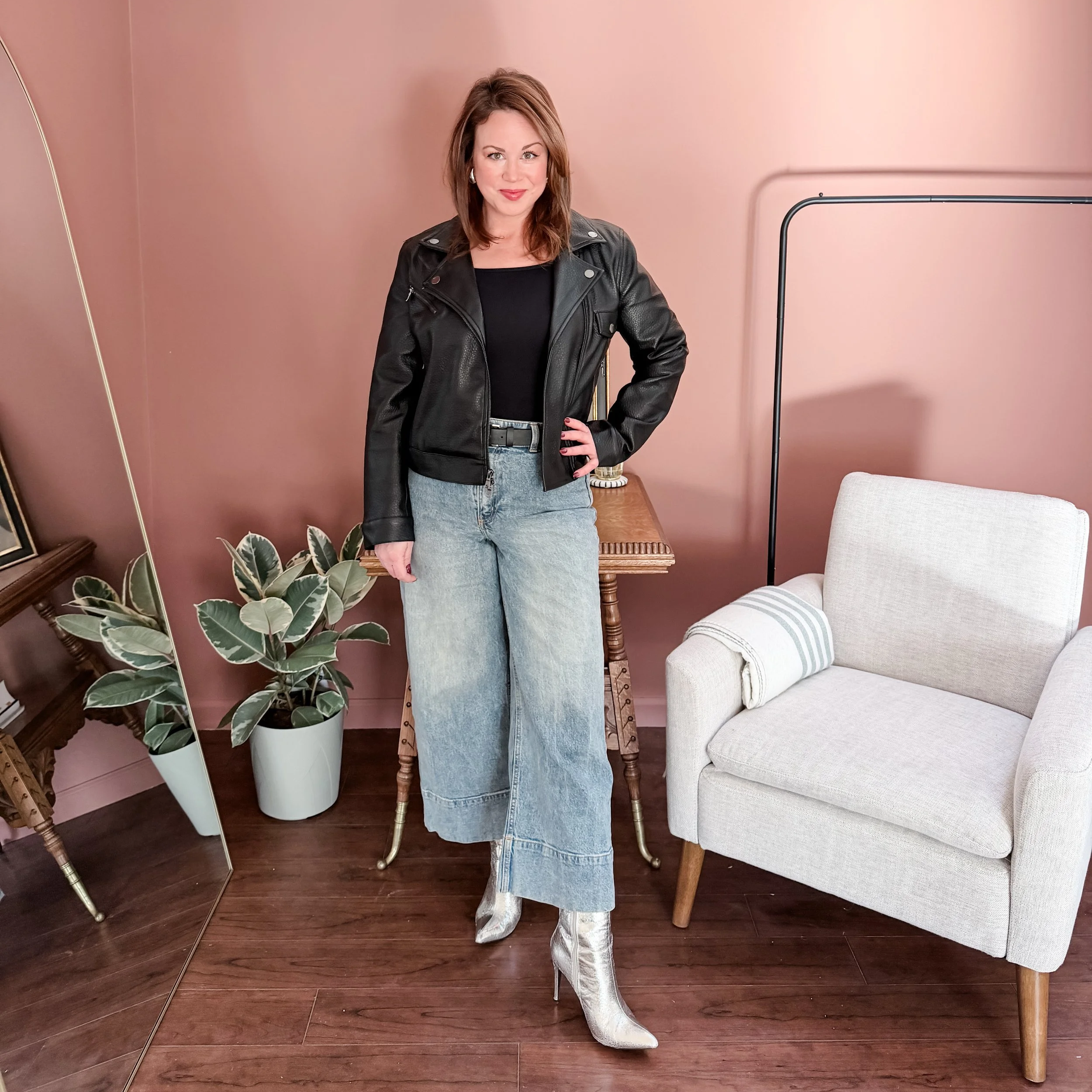
9 Point Revision:
Black bodysuit = 1
Cropped leg jeans = 2
Silver boots = 2
Leather belt = 1
Black leather jacket = 2
Minimal silver jewelry = 1
Same base. Completely different impact.
Remembering How to Get Dressed
Getting dressed isn’t about impressing anyone. It’s about alignment—looking in the mirror and recognizing yourself again. The 7-Point Outfit Theory isn’t about trends or rules. It’s about remembering your instincts.
If you’ve felt disconnected from your closet lately, start here. Add one thoughtful piece. Then another.
Sometimes, getting dressed again is less about reinvention—and more about remembering.
If you’re in this same in-between season, I’d love to know: what’s the hardest part of getting dressed right now? Fit, time, trends, confidence—or something else entirely?