Why I Chose Modern Lime Paint
When I make design decisions in my house, I’m rarely thinking about how a room will look the day it’s finished. I’m thinking about how it will age — how it will respond to light, how it will interact with natural materials, and how it will support everything that comes next.
That mindset is what led me to modern lime paint for my living room.
This house was built in the 1930s, and while it has been cared for over the years, it has also lived a life. The walls are plaster. They’re imperfect in quiet ways — subtle waves, hairline cracks, places where time has left its mark. I don’t see those as problems to eliminate, but as context — part of the story of this home.
So when it came time to paint, I wasn’t looking for a quick transformation or a flawless finish. I was looking for a material that respected the age of the home, added depth instead of covering it up, and gave me a foundation I could build the rest of the room around. That search is what ultimately led me to partner with James Alexander Specialty Paints and their Modern Lime Paint.
The Appeal of Lime Finishes
I’ve been drawn to lime finishes for years. Long before this room was on my radar, I was saving images of lime-washed walls and textured interiors — not because they were trending, but because they felt timeless.
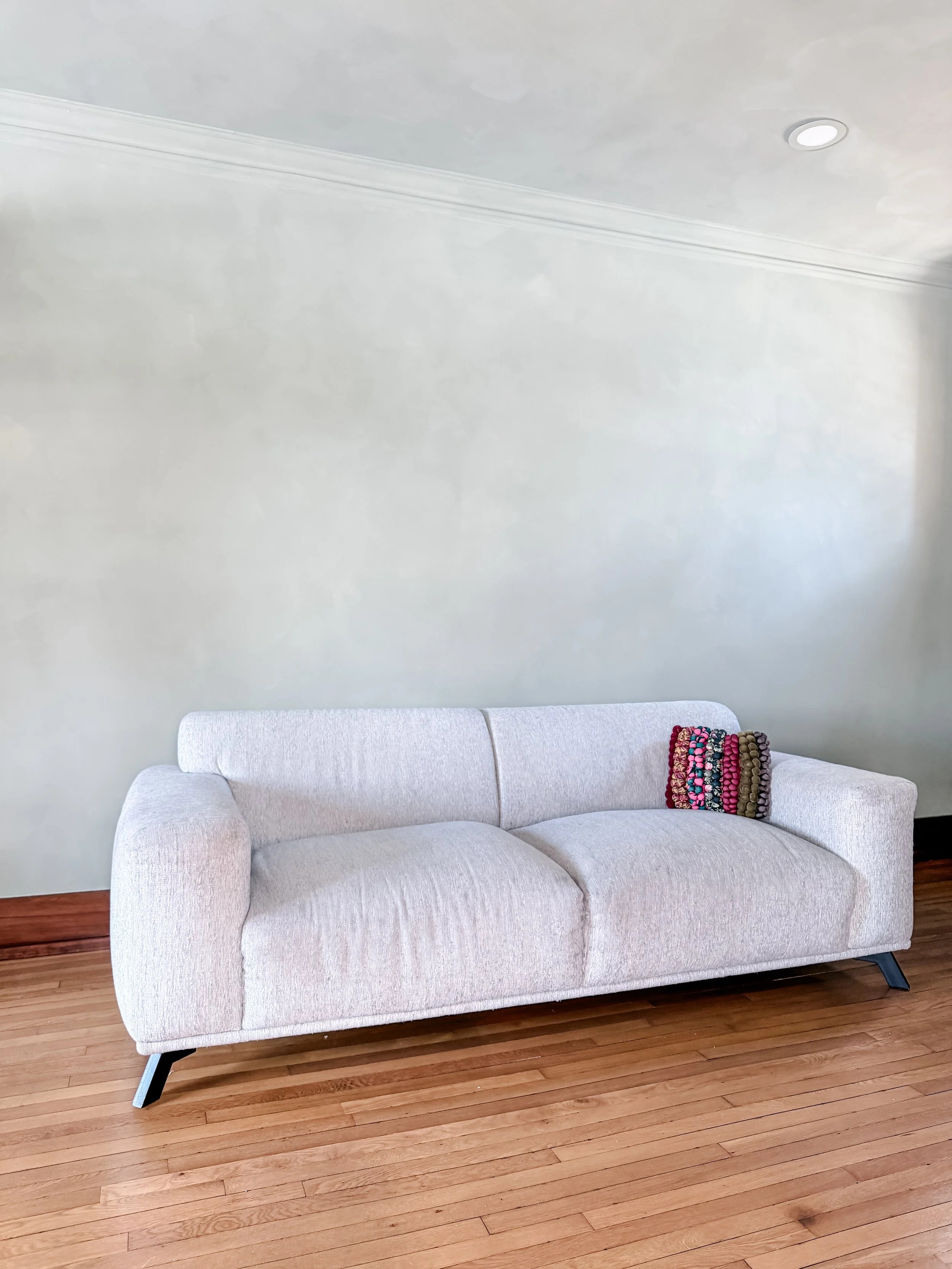
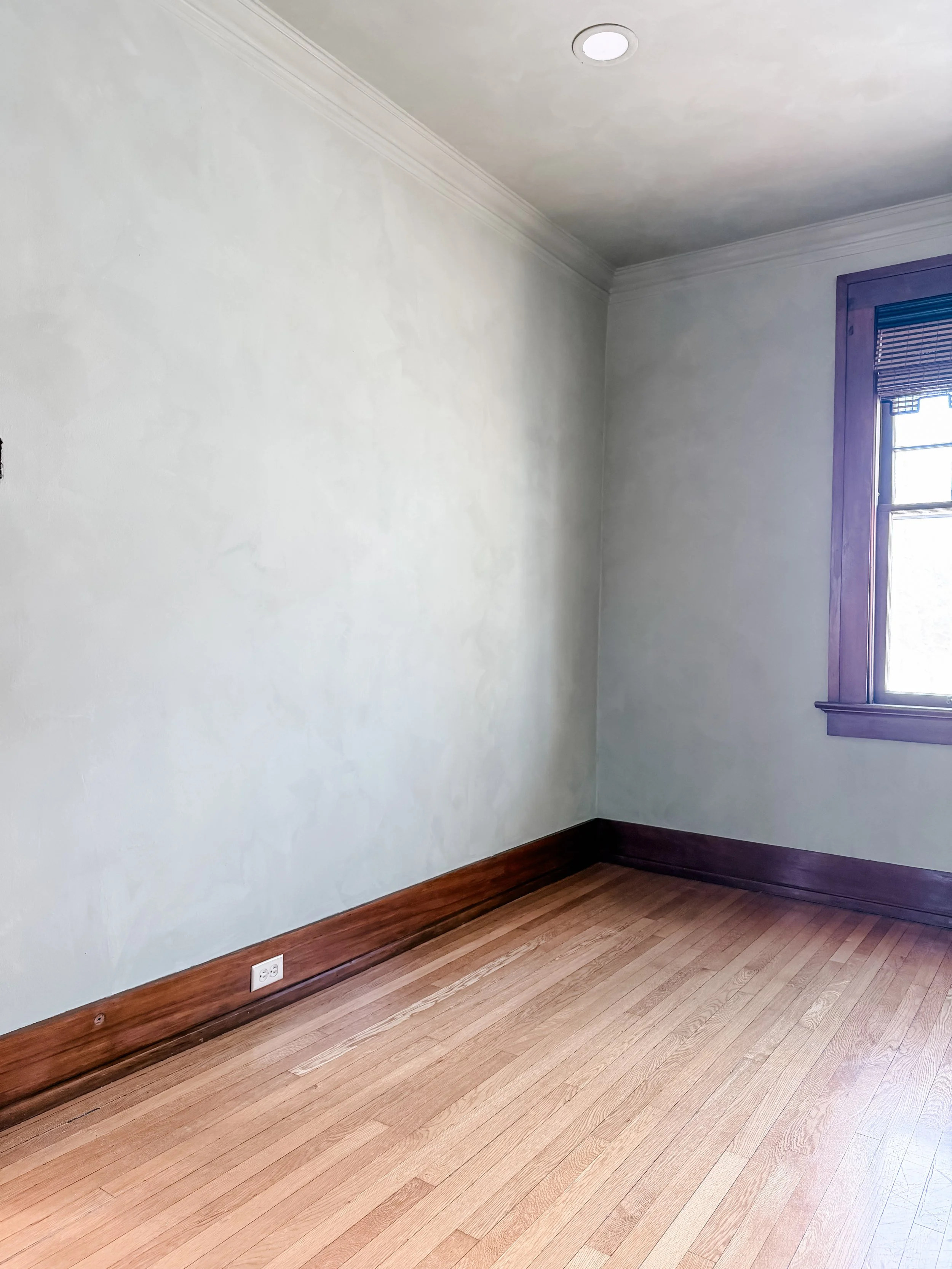
There’s a softness to lime finishes that flat paint simply doesn’t have. Instead of sitting on top of the wall, the finish feels integrated into it. Light doesn’t bounce evenly across the surface; it moves, shifts, and changes depending on the time of day. That quality alone adds dimension to a room before you ever introduce furniture or decor.
In a space like a living room — where light changes constantly and the room is used from morning through evening — that responsiveness matters. I didn’t want walls that felt static. I wanted a finish that responded to the light as it moved through the room.
Why Modern Lime Paint Instead of Traditional Lime Wash
Traditional lime wash has a long history and an undeniable beauty. But it also comes with a level of unpredictability that can be intimidating, especially in a lived-in home.
Application technique matters. Surface preparation matters. Even water ratios can dramatically affect the outcome. Two people can use the same product and end up with completely different results. That unpredictability can be exciting — or stressful — depending on the project.
In a house where I’m doing the majority of the work myself — fitting projects in between work, family life, and everything else that comes with a full schedule — that level of uncertainty matters. I’m always balancing what my space needs from a design perspective with the reality of time and budget. I don’t have the luxury of doing and re-doing the same project, or committing to a finish that might require starting over if something goes wrong.
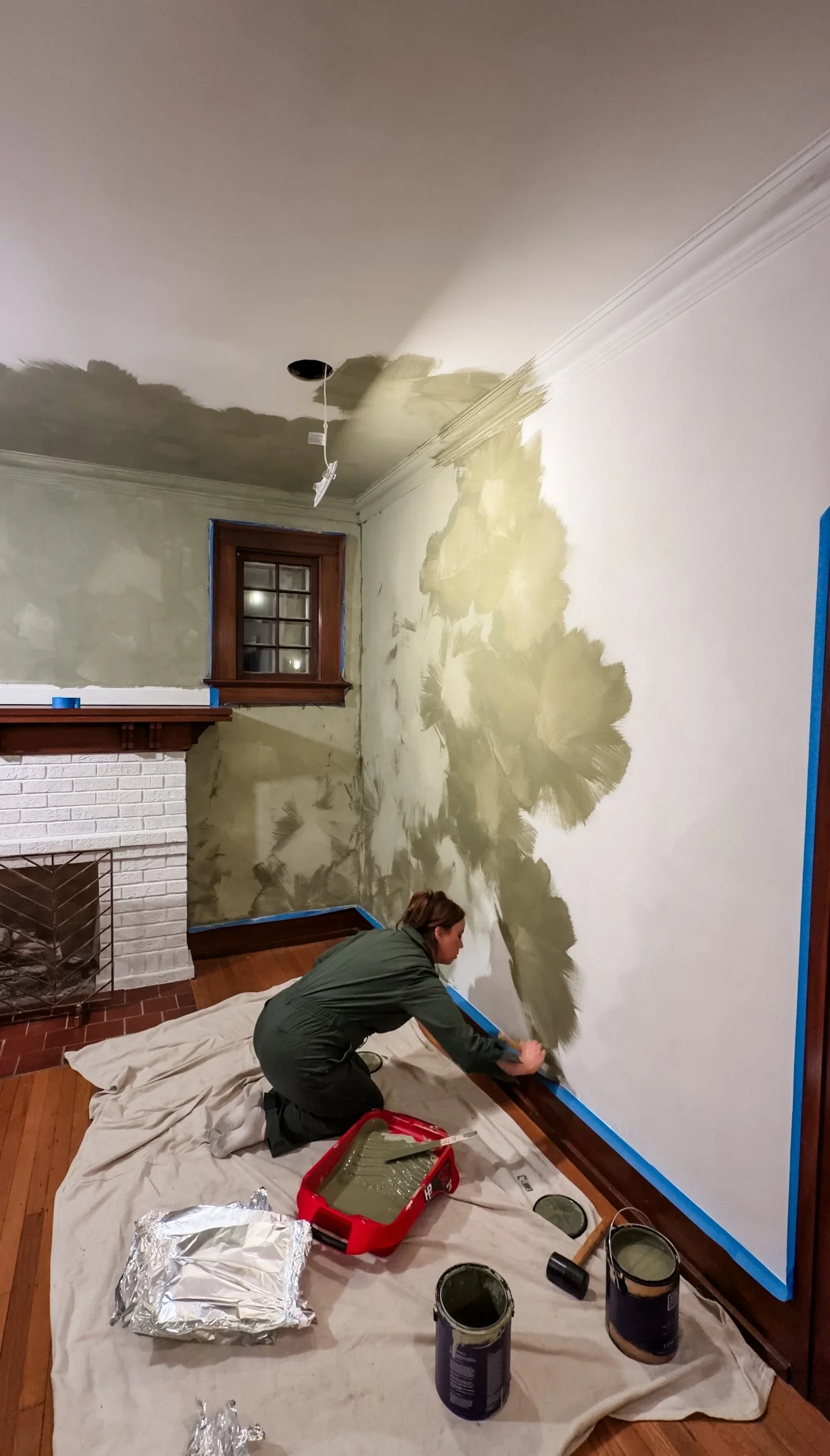
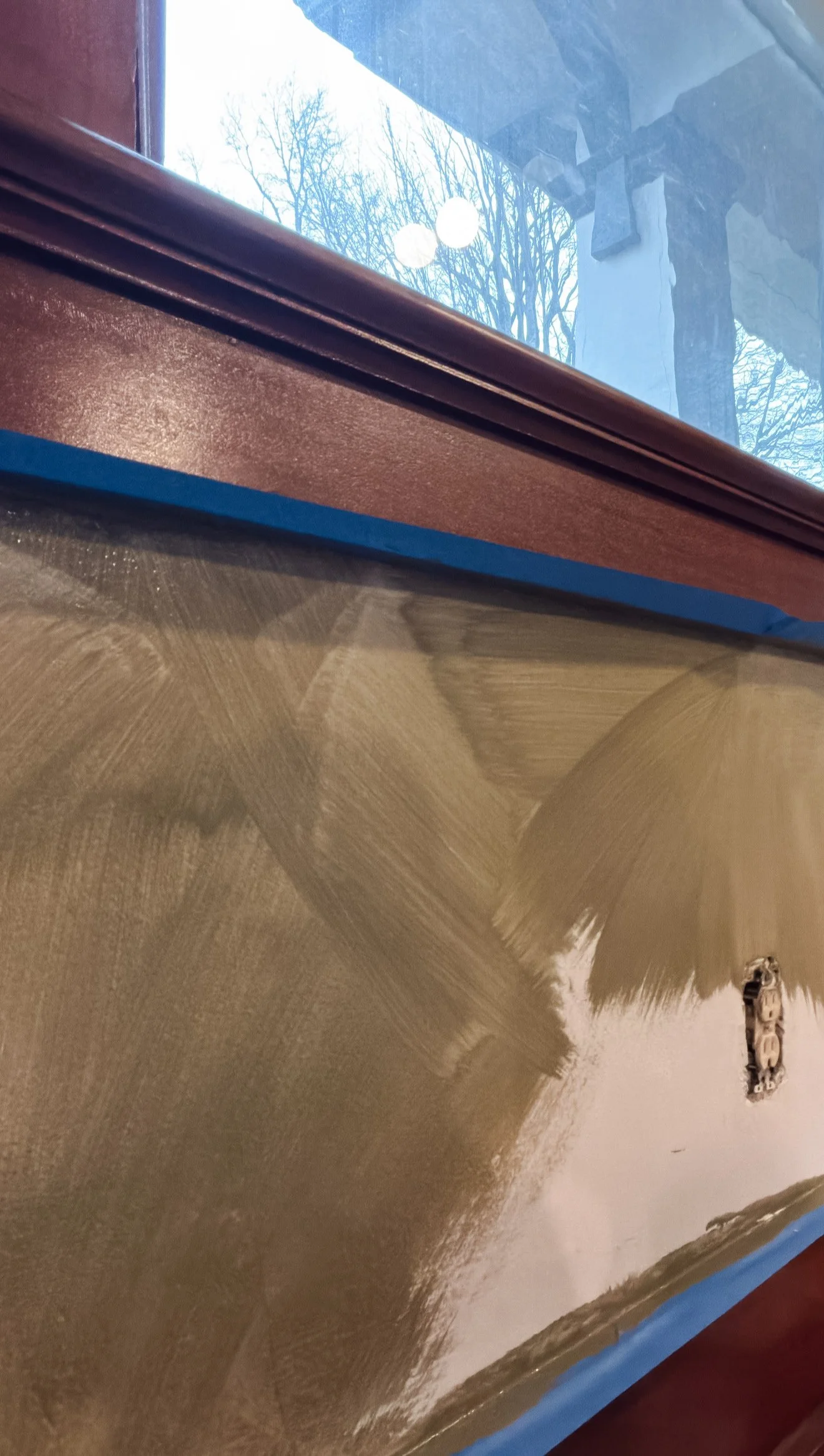
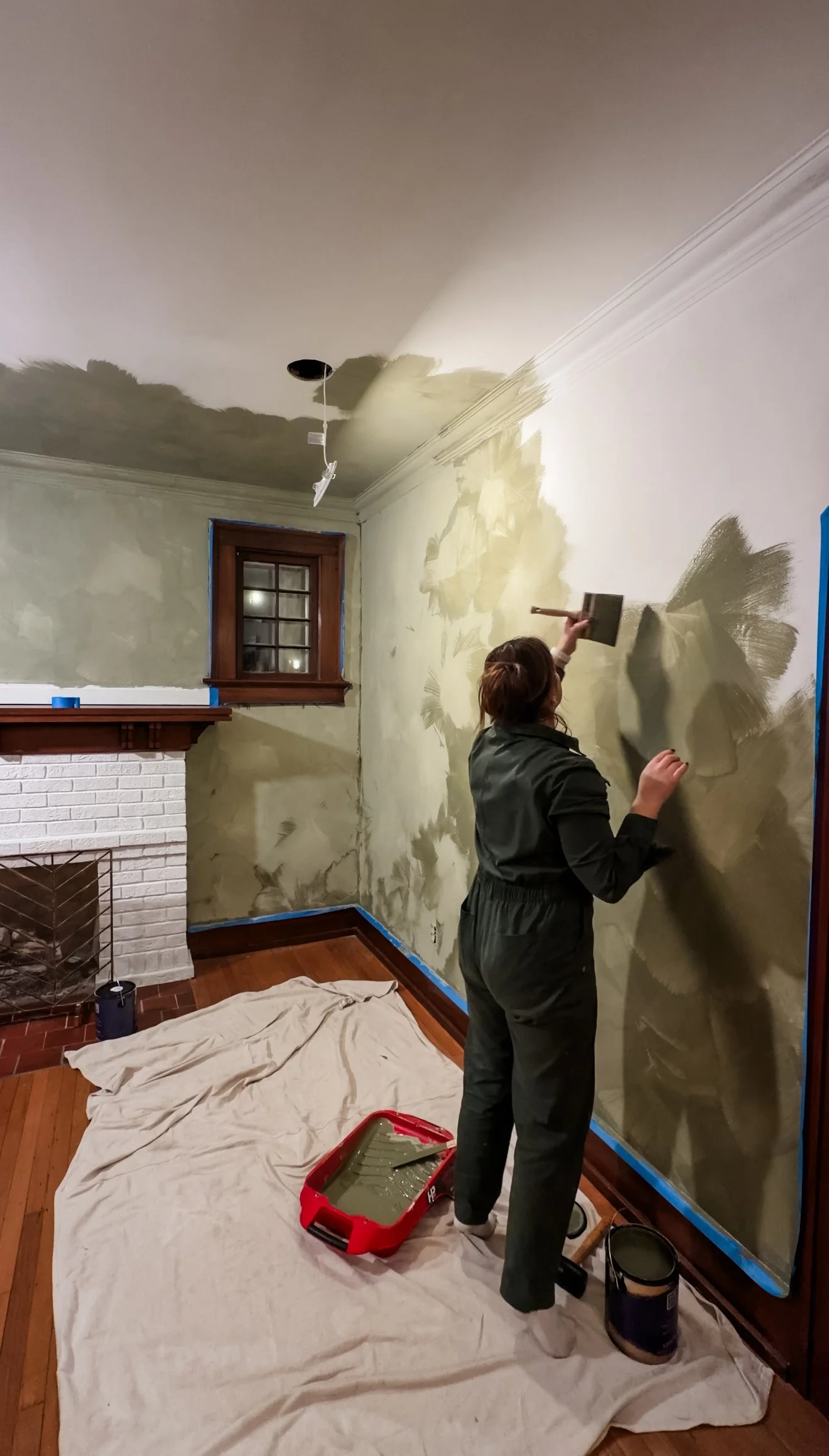
What drew me to James Alexander’s Modern Lime Paint was that it offers the character of lime wash with a more controlled, approachable application. You still get depth, movement, and a finish that responds to light. But the product is designed to behave more consistently, making it far more forgiving on real walls — especially walls that have already lived a long life.
For me, that balance was essential. I wanted the look and feel of a lime finish without turning the application into a gamble. Modern lime paint gave me the confidence that I could achieve a nuanced result without fighting the material every step of the way — and without creating a project I didn’t have the time or margin to undo.
Why Lime Paint Works So Well in Older Homes
Older homes don’t behave like new construction — and they shouldn’t.
The walls in my living room are plaster, which means they move differently, age differently, and show wear in a way drywall doesn’t. Over time, you see subtle waves, hairline cracks, and small shifts that come with decades of settling. Those details are part of the structure of the house, not flaws to be erased.
Flat, modern paint tends to fight that context. It highlights every imperfection and creates a surface that can feel too crisp or disconnected from the architecture. Lime paint does the opposite. It softens transitions, blends repairs, and allows walls to look like they’ve lived a life.
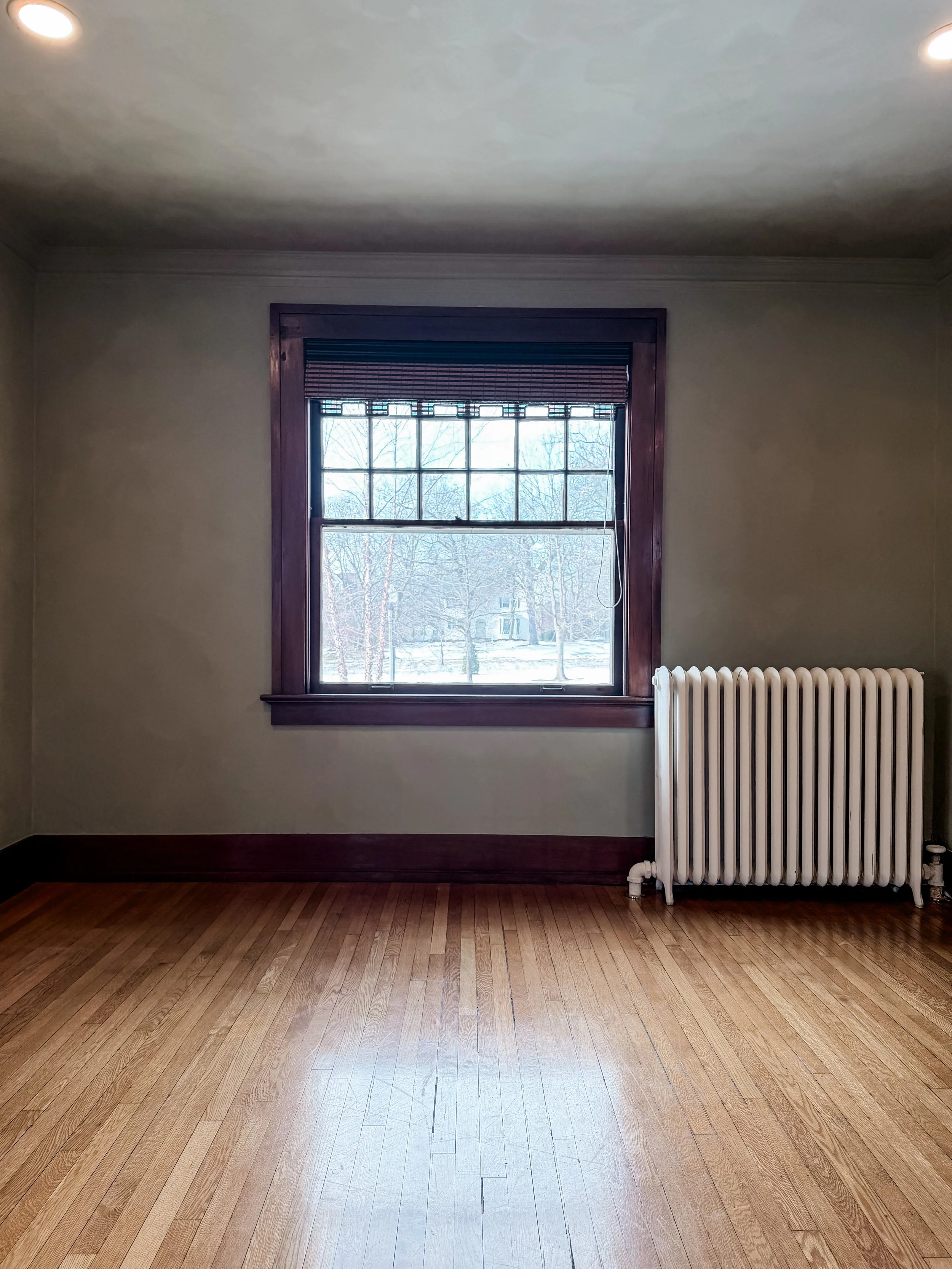
Before painting this room, I repaired a large crack in the plaster wall. Structurally, it needed attention — but visually, I didn’t want it to disappear entirely. After applying the lime paint, you can still see where the crack was. And I love that. It’s still visible, but it no longer draws your eye in the same way.
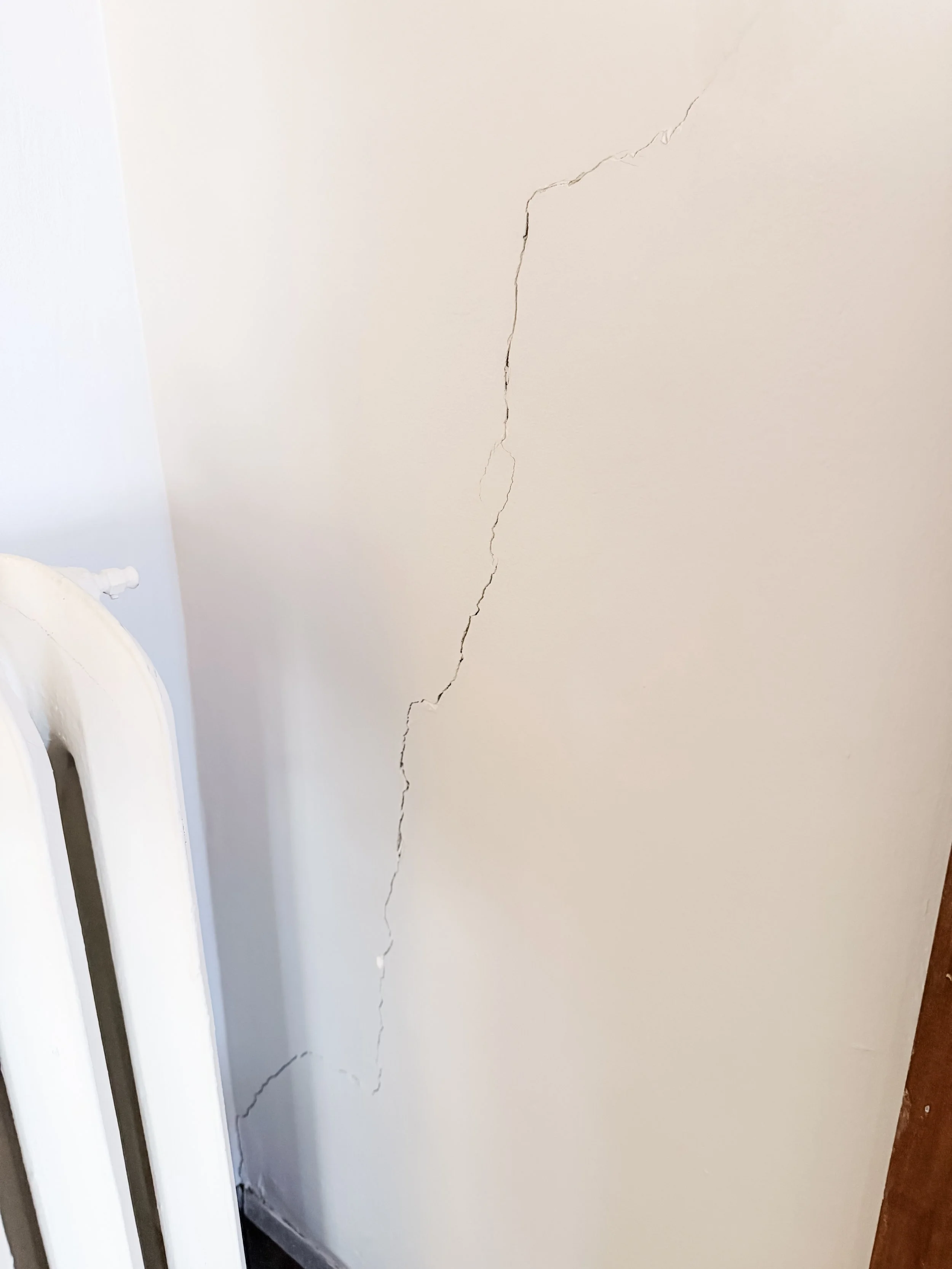
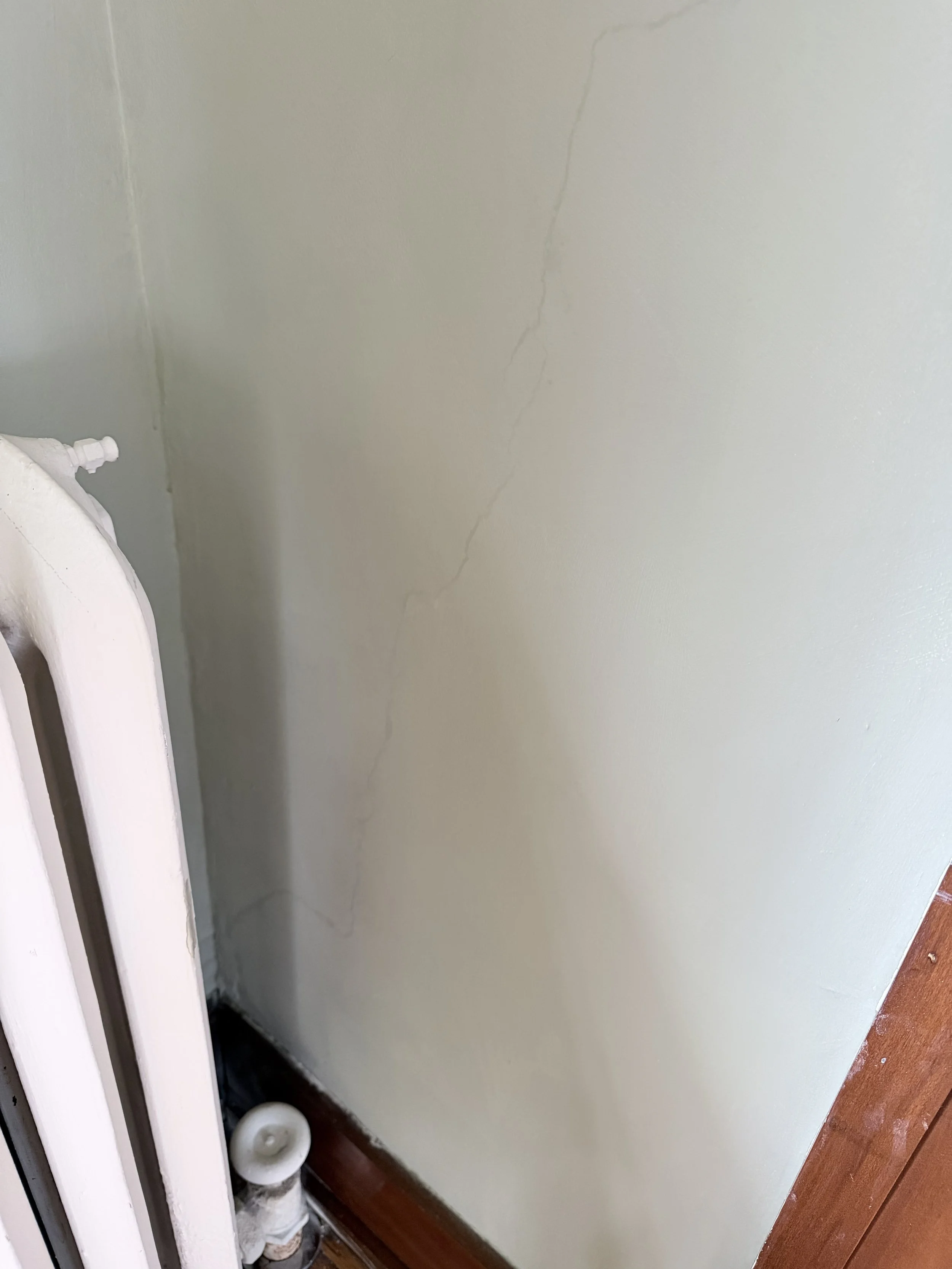
In a 1930s house, that kind of detail feels appropriate. It acknowledges the age of the home rather than trying to overwrite it. On drywall with traditional paint, that same repair would either vanish completely or stand out in a way that feels off. With lime paint, it integrates into the wall itself.
This is one of the reasons lime finishes are such a natural fit for older homes. They don’t demand perfection. They allow for variation, movement, and subtle irregularity — all of which naturally exist in houses built before modern construction standards.
James Alexander’s Modern Lime Paint works especially well in this context because it respects that history while still being practical for today’s homes. The finish works with the existing surfaces instead of trying to correct them. It gives older spaces depth and softness without stripping away their character.
For me, that alignment mattered just as much as the aesthetic. I wasn’t trying to make this living room feel new. I wanted it to feel cohesive — like a natural continuation of the house itself.
Choosing a Color That Responds to Light
When it came time to choose a color, I knew I wanted to stay in the olive family. I was drawn to something earthy and grounded — a tone that would pair well with natural wood, darker floors, and layered textiles.
Unfortunately, I was surprised to find early on that the color range with traditional lime wash tends to be very limited. Most classic lime washes lean very light — soft whites, pale neutrals, washed-out pastels. Beautiful, but not what I was looking for here. I wanted something deeper and moodier, with olive undertones that could hold its own as the room evolved. James Alexander was one of the few places I found offering high-quality lime paint in richer, more complex colors, which opened up far more possibilities. It meant I didn’t have to compromise on depth or settle for a lighter finish just to get the movement and texture I wanted.
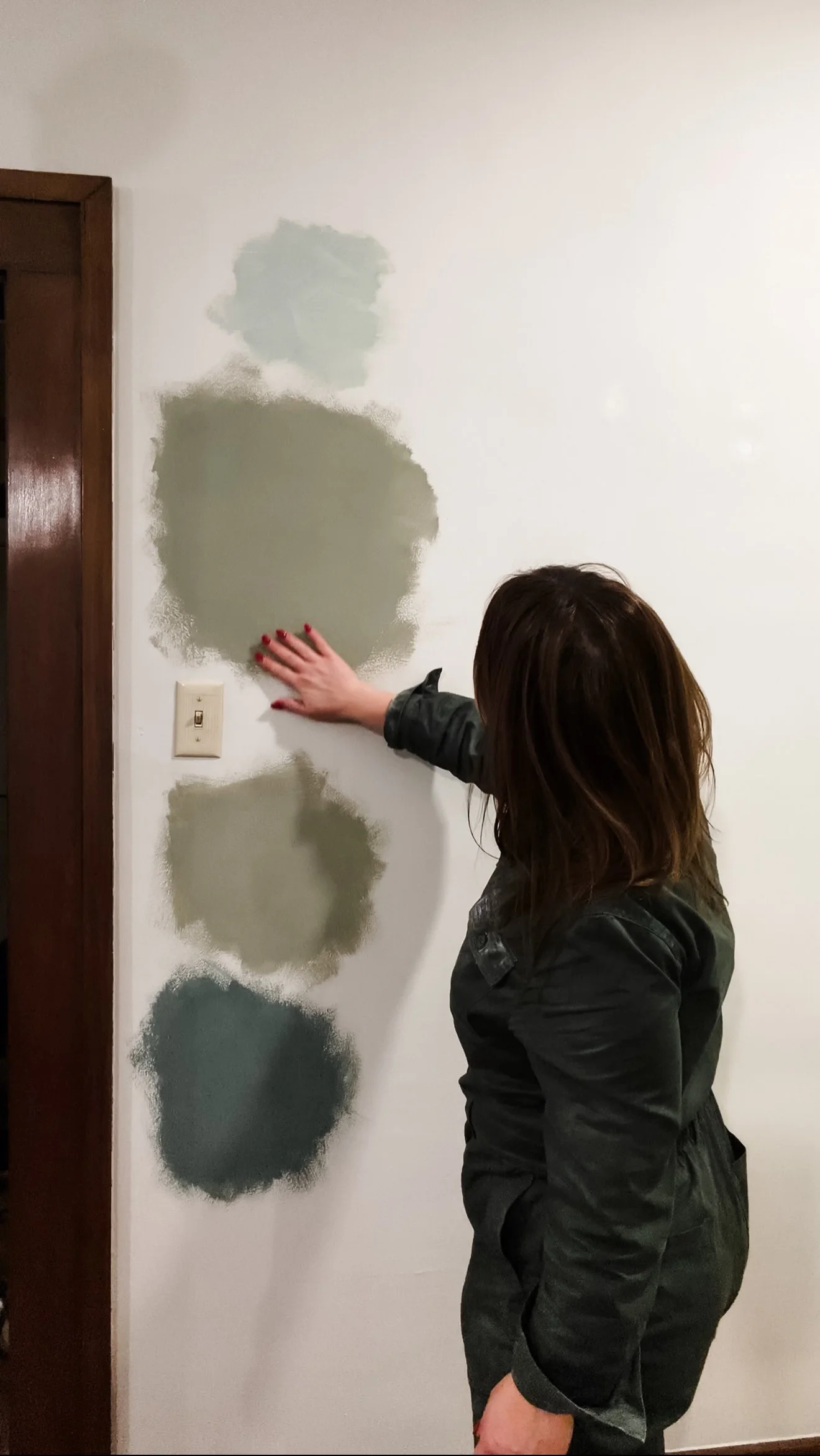
Once I had a few of their samples on the wall, the decision became easy. I landed on Olivine Clay, a gorgeous soft olive tone. What I’ve come to appreciate most about this finish is how much it changes throughout the day. In bright natural light, it reads lighter and more open. When the light softens in the evening, the color deepens and becomes moodier, pulling out the olive undertones I was looking for from the beginning.
That shift isn’t a drawback. It’s exactly what makes lime finishes compelling. Unlike static paint colors, lime finishes respond to their surroundings. Light, shadow, and eventually furniture and materials all influence how the color reads. The walls don’t exist in isolation — they evolve as the room evolves.
A Finish You Can Build On
I almost always start with paint. Once that foundation is in place, the rest of the room has a clearer direction.
This living room is still very much a work in progress. Furniture will change. The floors will eventually be refinished. A wood surround will be built around the fireplace. Each of those elements will interact with the walls differently over time.
What mattered to me was choosing a finish that could support that evolution rather than limit it. Modern lime paint adds depth and texture without competing with other materials, which makes it an easy foundation to layer against as the room comes together.
Looking Ahead
I’m sharing more of this project as it unfolds over on Instagram, including a time-lapse of the application if you want to see the process in action.